Why different countries use different measurement systems is a question many people encounter when traveling, studying, or using online tools. You may notice that some countries measure distance in kilometers, others in miles, weight in kilograms or pounds, and temperature in Celsius or Fahrenheit. In a world that is more connected than ever, these differences can feel unnecessary or confusing.
The reality is that measurement systems are deeply rooted in history, culture, politics, science, and economics. They developed long before global standards existed and became embedded in daily life, infrastructure, and national identity. This guide explains why different measurement systems exist, how they developed, and why they are still used today.
What Is a Measurement System?
A measurement system is a set of standardized units used to measure physical quantities such as distance, weight, volume, and temperature. These systems allow people to communicate measurements clearly and consistently.
Without measurement systems:
- Trade would be unreliable
- Construction would be unsafe
- Science would lack accuracy
- Travel and navigation would be chaotic
Measurement systems ensure that when someone says “10 kilometers” or “5 miles,” everyone within that system understands the same distance.
Why Measurement Systems Matter So Much
Measurement systems are not just technical tools—they shape how people think, plan, and interact with the world.
They affect:
- Road signs and speed limits
- Building design and engineering
- Cooking and food packaging
- Education and textbooks
- Medicine and healthcare
- Sports and fitness
Because measurement systems touch almost every aspect of life, changing them is not a simple decision.
Early Measurement Systems Were Local and Practical
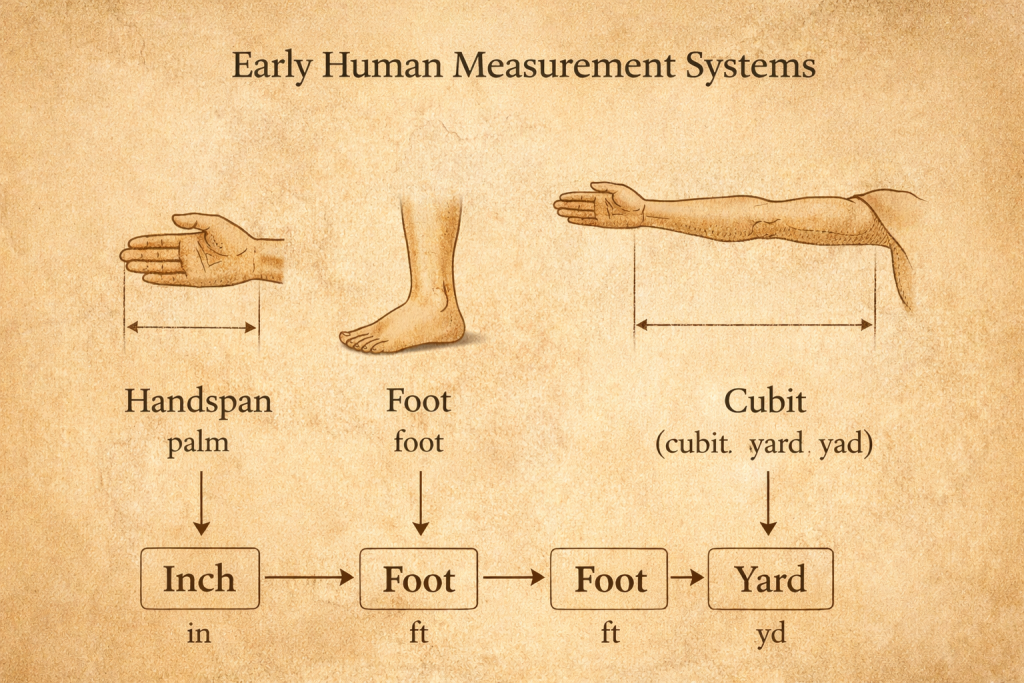
Before modern science, measurement systems developed locally, based on what people could easily observe or reference.
Early measurements were often based on:
- Body parts (foot, hand, arm, cubit)
- Everyday tools
- Local geography
- Agricultural needs
For example:
- A “foot” was literally the length of a foot
- A “yard” was roughly the distance of an outstretched arm
- Distances were estimated based on walking time
Because regions developed independently, their systems naturally different.
The Lack of Global Communication in the Past
For most of history, countries and regions had limited contact with one another. There was no global agreement on standards, and no urgent need for one.
As a result:
- Each region refined its own system
- Local systems worked well within local economies
- Differences between systems were not seen as a problem
Only when international trade and science expanded did inconsistencies become an issue.
The Metric System: A Push Toward Standardization
The metric system was developed in France in the late 18th century during the French Revolution. Its goal was to create a universal, logical, and standardized system of measurement.
Key features of the metric system:
- Based on multiples of 10
- Uses consistent prefixes (kilo, centi, milli)
- Applies across distance, weight, and volume
This made calculations simpler and reduced confusion.
Why the Metric System Spread Worldwide
The metric system spread rapidly because it offered major advantages:
- Easy to learn and teach
- Simple to convert between units
- Ideal for science and engineering
- Useful for international trade
As countries modernized, many adopted the metric system to align with global standards and improve efficiency.
The Imperial and US Customary Systems
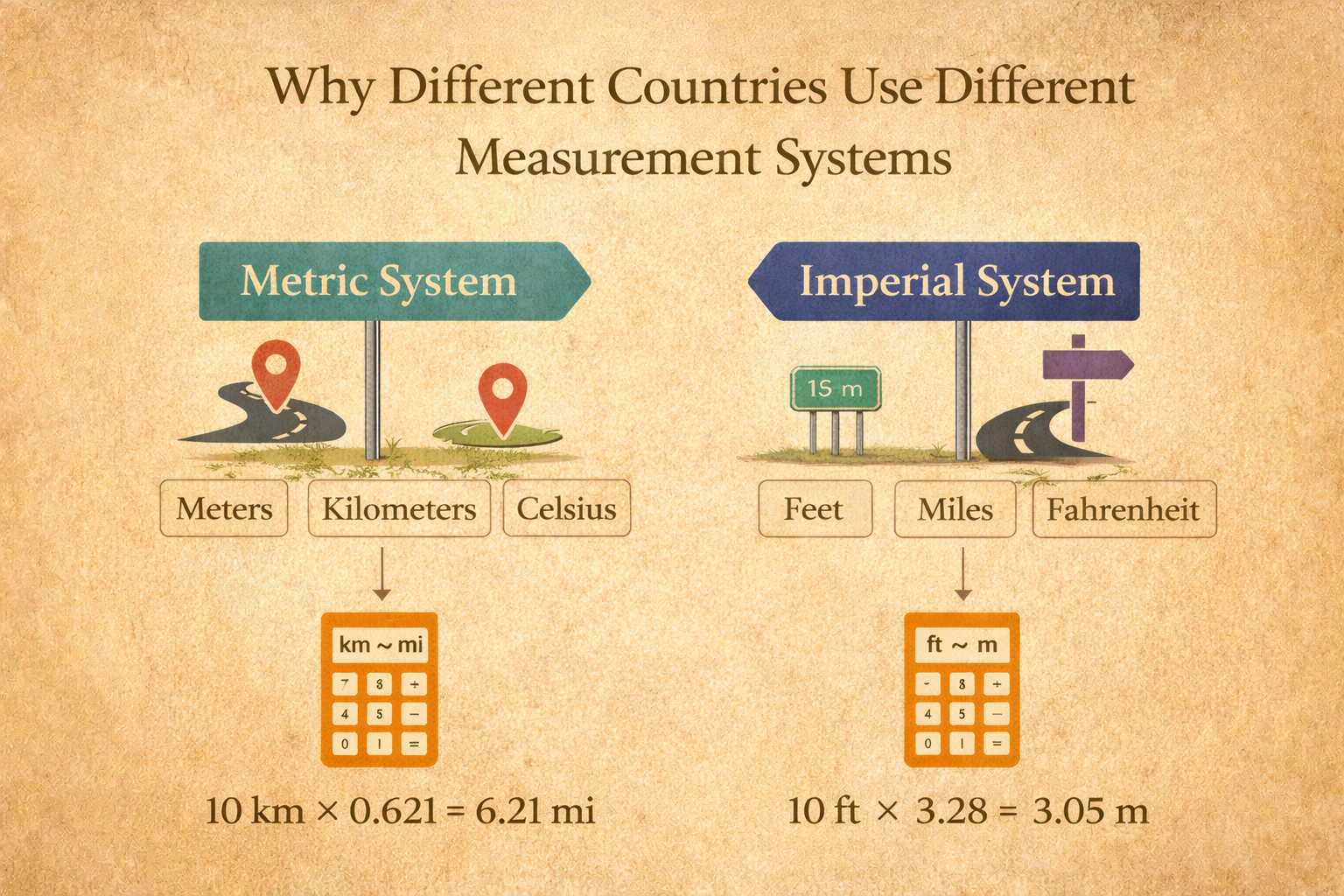
While the metric system spread, some countries continued using older systems. The imperial system evolved from British measurements, while the US customary system developed from British units but diverged slightly over time.
These systems include:
- Inches, feet, yards, miles
- Ounces, pounds, tons
They were already deeply embedded in daily life and infrastructure.
Why the United States Did Not Fully Switch
The United States considered adopting the metric system multiple times but never completed a full transition.
Key reasons include:
- Existing infrastructure built with imperial units
- High cost of converting signs, tools, and equipment
- Cultural familiarity with existing units
- Public resistance to change
As a result, the US uses a mixed system: metric for science and medicine, imperial for daily life.

Measurement Systems and National Identity
Measurement systems often become part of a country’s identity. People grow up learning one system, and it becomes intuitive.
Examples:
- Miles feel “right” to US drivers
- Kilometers feel natural in Europe and Africa
- Celsius temperatures feel intuitive where they’re taught
Changing a system can feel like changing language or culture.
The Role of Education Systems
Schools play a major role in reinforcing measurement systems. Once a system is taught from childhood:
- Mental reference points develop
- Everyday thinking adapts to that system
- Switching later becomes difficult
This educational reinforcement helps explain why systems persist across generations.
Scientific and Industrial Standardization
Science requires precision and consistency, which is why the metric system dominates scientific research worldwide.
Reasons scientists prefer metric:
- Fewer conversion errors
- Logical unit relationships
- Universal understanding
Even countries that use imperial units daily rely on metric units in laboratories, medicine, and engineering.
Measurement Systems in Global Trade
Global trade depends on accurate measurements. Differences between systems can cause:
- Miscommunication
- Costly mistakes
- Safety risks
To avoid this, many industries standardize internally using metric units, even if consumer-facing measurements differ.
Transportation and Measurement Systems
Transportation highlights system differences clearly.
Examples:
- Road signs in miles vs kilometers
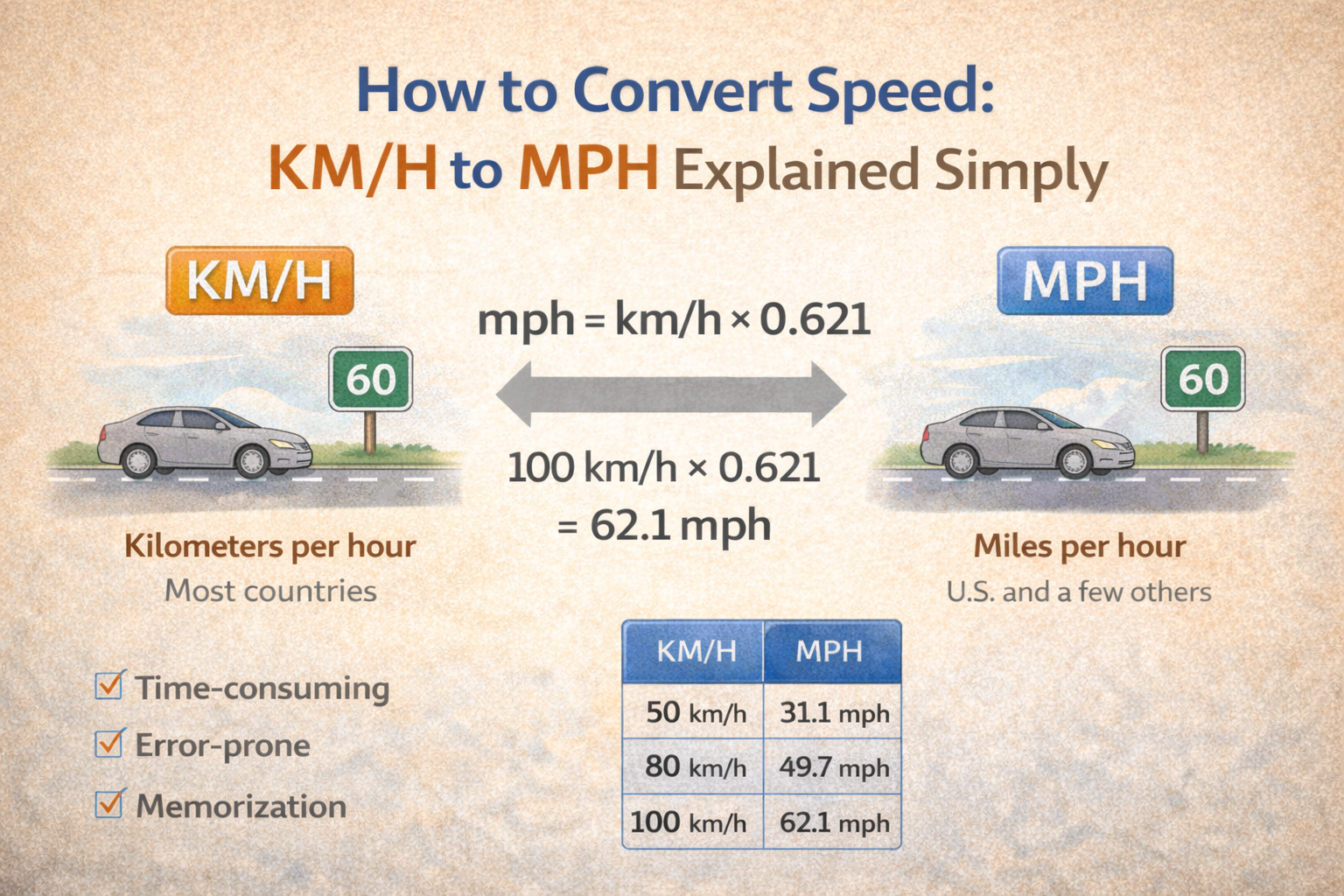
- Speed limits in mph vs km/h
- Navigation systems adjusting by region
Drivers instinctively understand distances in their local system, which is why signs remain region-specific.
Sports and Measurement Systems
Sports also reflect measurement differences:
- Running races measured in kilometers or miles
- Field sizes defined differently by region
- Fitness apps allowing unit switching
International events often standardize measurements to avoid confusion.
Technology Helps Bridge the Gap
Modern technology reduces the problems caused by different systems:
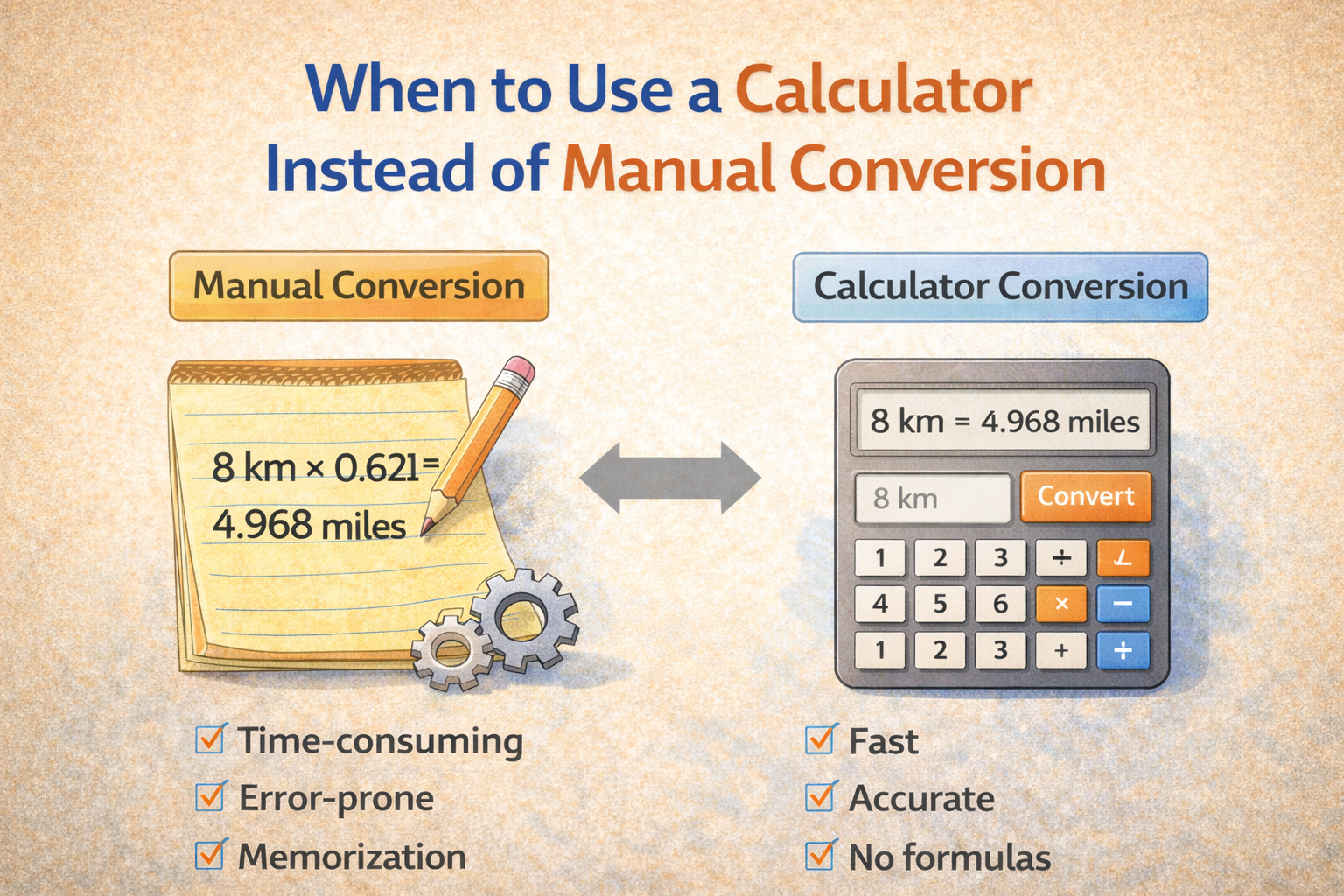
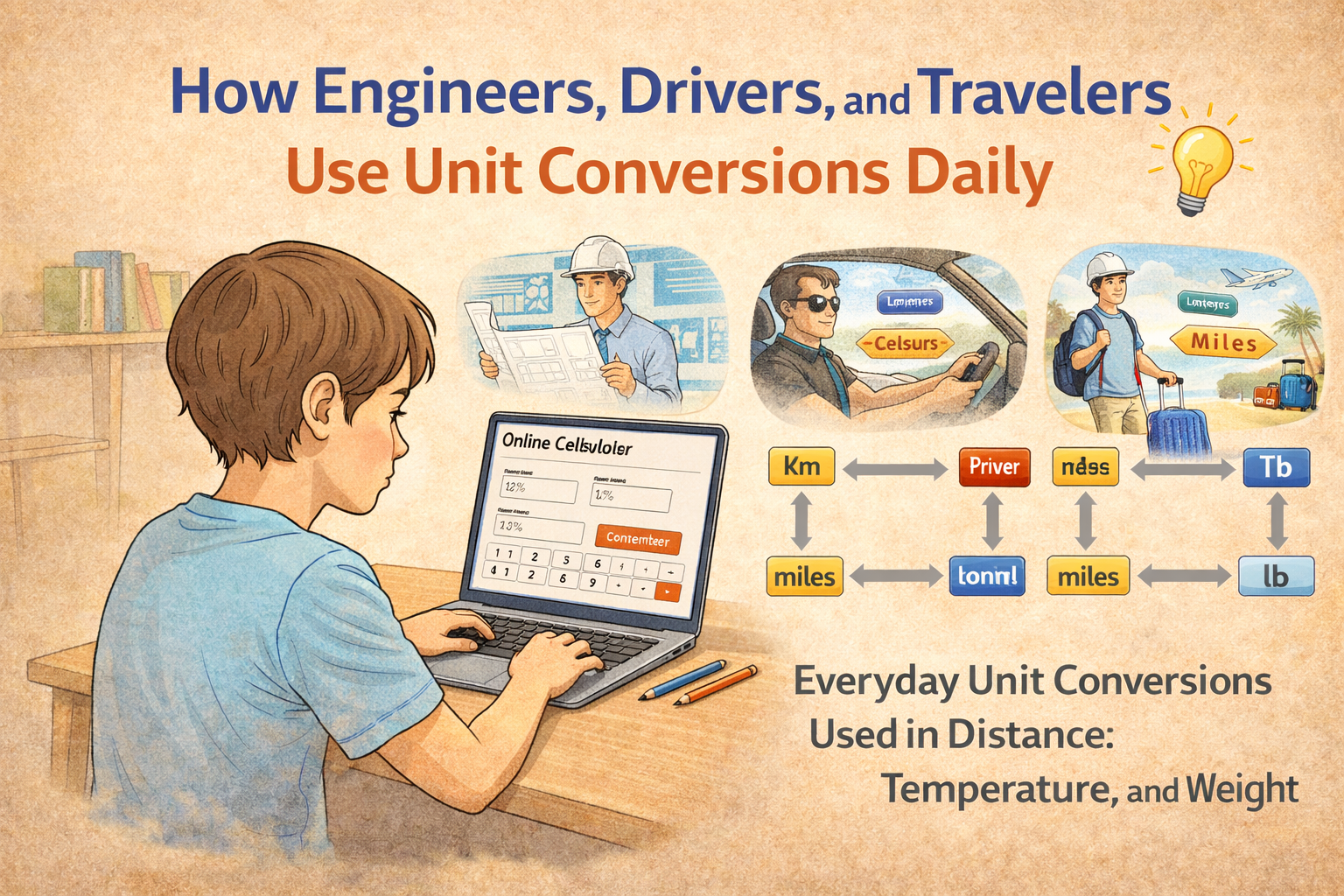
- Conversion calculators
- GPS apps with unit settings
- Smart devices that auto-adjust units
This makes coexistence of multiple systems more manageable.
Common Problems Caused by Different Measurement Systems
Despite tools, issues still occur:
- Engineering mistakes
- Misinterpreted instructions
- Cost overruns
Some famous failures have resulted from incorrect unit conversions, highlighting the importance of understanding systems.
Will the World Ever Use One System?
While the metric system dominates globally, a single universal system is unlikely in the near future due to:
- Cultural attachment
- Economic costs
- Infrastructure challenges
Instead, education and conversion tools remain the most practical solution.
Why Understanding Measurement Systems Still Matters
Even in a digital age, measurement systems matter because:
- Laws and regulations depend on them
- Safety standards rely on accuracy
- Infrastructure is system-specific
Understanding systems helps you navigate a global world more confidently.
Frequently Asked Questions
Why don’t all countries use the metric system?
Because measurement systems developed historically and became deeply embedded before global standards existed.
Is the metric system better than imperial?
It is easier to convert and standardize, but familiarity often matters more in daily life.
Why does science use metric units?
Because metric units are consistent, precise, and internationally accepted.
Conclusion
Understanding why different countries use different measurement systems reveals how history, culture, and practicality shape the modern world. Measurement systems were created to solve local problems long before global coordination existed, and they became part of national identity over time.
Although the metric system is now dominant in science and international trade, older systems remain deeply rooted in daily life. Rather than forcing uniformity, modern society relies on education and conversion tools to bridge these differences—making global communication possible without erasing cultural history.