How Students Can Use Online Calculators to Learn Faster is an important topic in today’s digital learning environment. Students face tight deadlines, heavy workloads, and complex subjects. Online calculators, when used correctly, can help students understand concepts faster, practice more efficiently, and improve academic performance without replacing real learning.
Online calculators are not shortcuts for avoiding work. Instead, they are learning tools that support understanding, accuracy, and confidence.
What Are Online Calculators?
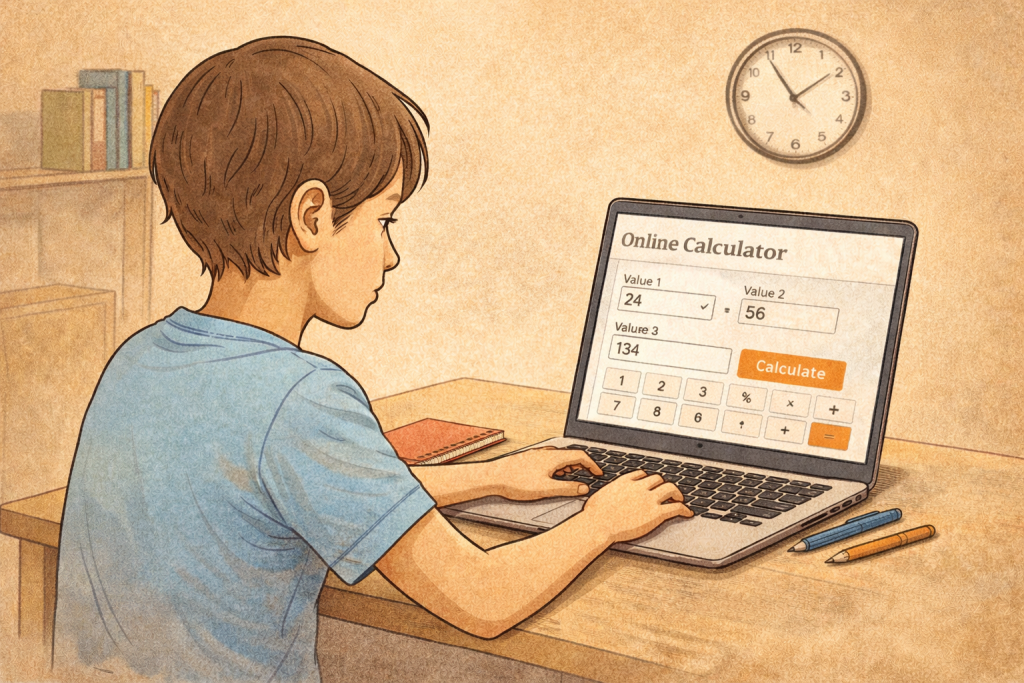
Online calculators are web-based tools designed to perform calculations instantly. Unlike basic handheld calculators, many online calculators are built for learning and include:
- Step-by-step solutions
- Unit and formula explanations
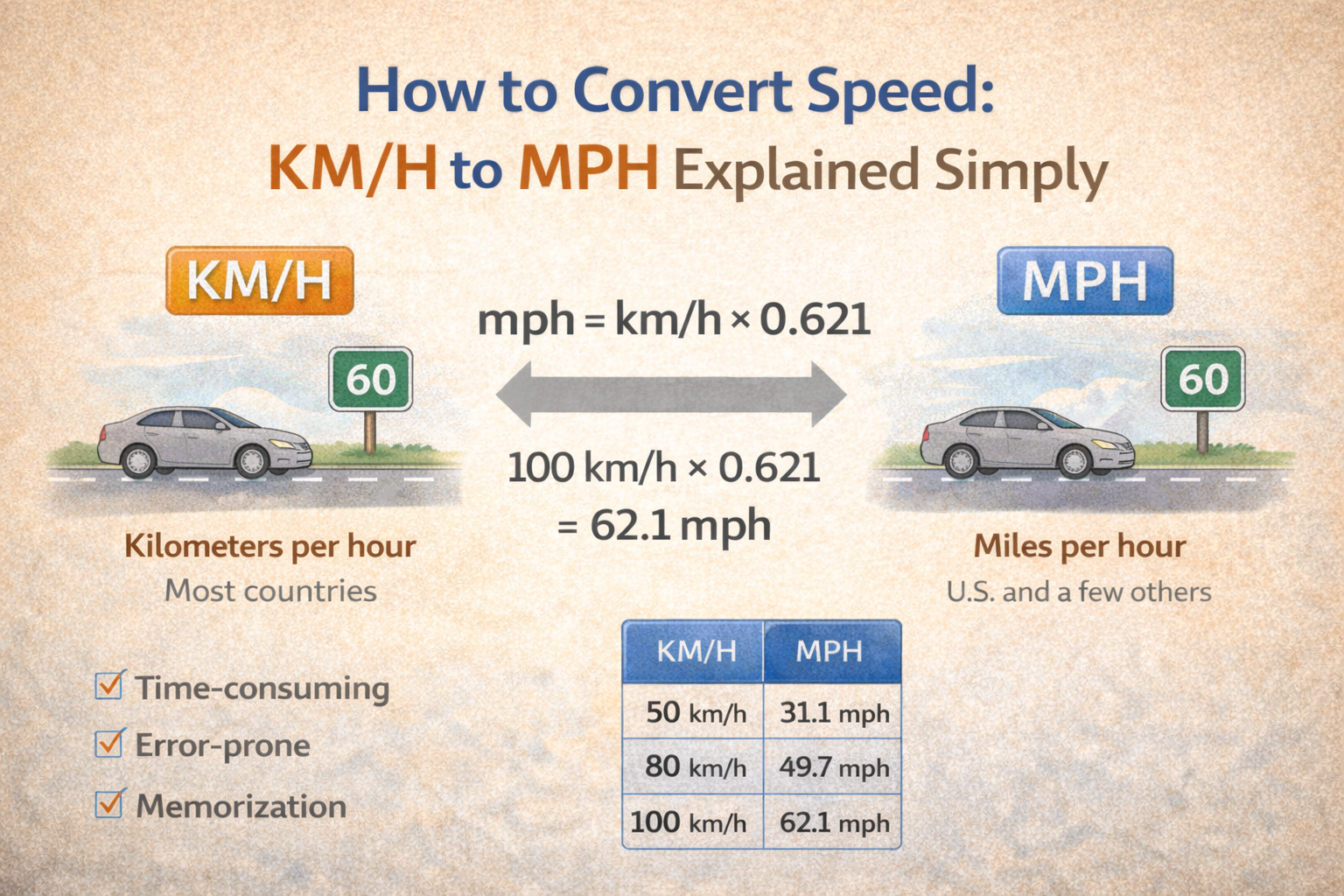
- Conversion tools
- Subject-specific calculators (math, science, finance)
These features make them especially useful for students who want to learn faster and smarter, not just get answers.
Why Students Struggle With Manual Calculations
Many students understand the theory behind a subject but struggle with calculations. Common issues include:
- Small arithmetic mistakes
- Slow problem-solving speed
- Losing focus on the main concept
- Frustration during practice
These challenges can make studying feel harder than it needs to be and slow down learning progress.
How Online Calculators Help Students Learn Faster
Online calculators remove unnecessary obstacles so students can focus on learning.
They help students:
- Save time on repetitive calculations
- Reduce calculation errors
- Get instant feedback
- Practice more problems in less time
This leads to faster understanding and better retention.
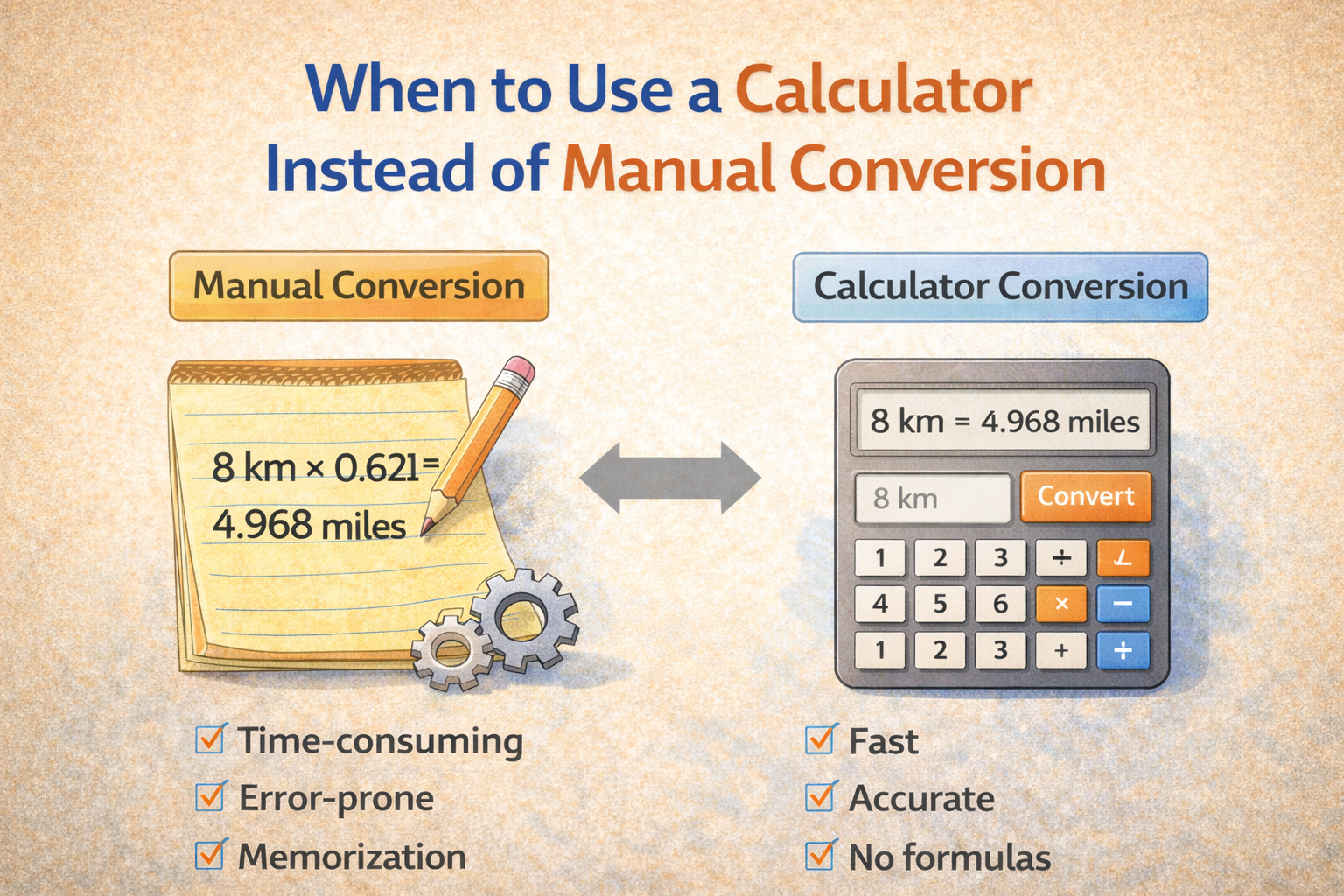
Online Calculators vs Traditional Learning Methods
| Traditional Learning | Learning With Online Calculators |
|---|---|
| Manual calculations only | Instant, accurate results |
| High risk of errors | Reduced mistakes |
| Slow feedback | Immediate feedback |
| Focus on arithmetic | Focus on concepts |
Online calculators support learning—they don’t replace it.
Subjects Where Online Calculators Are Most Helpful
Online calculators are especially useful in:
- Mathematics – algebra, geometry, equations
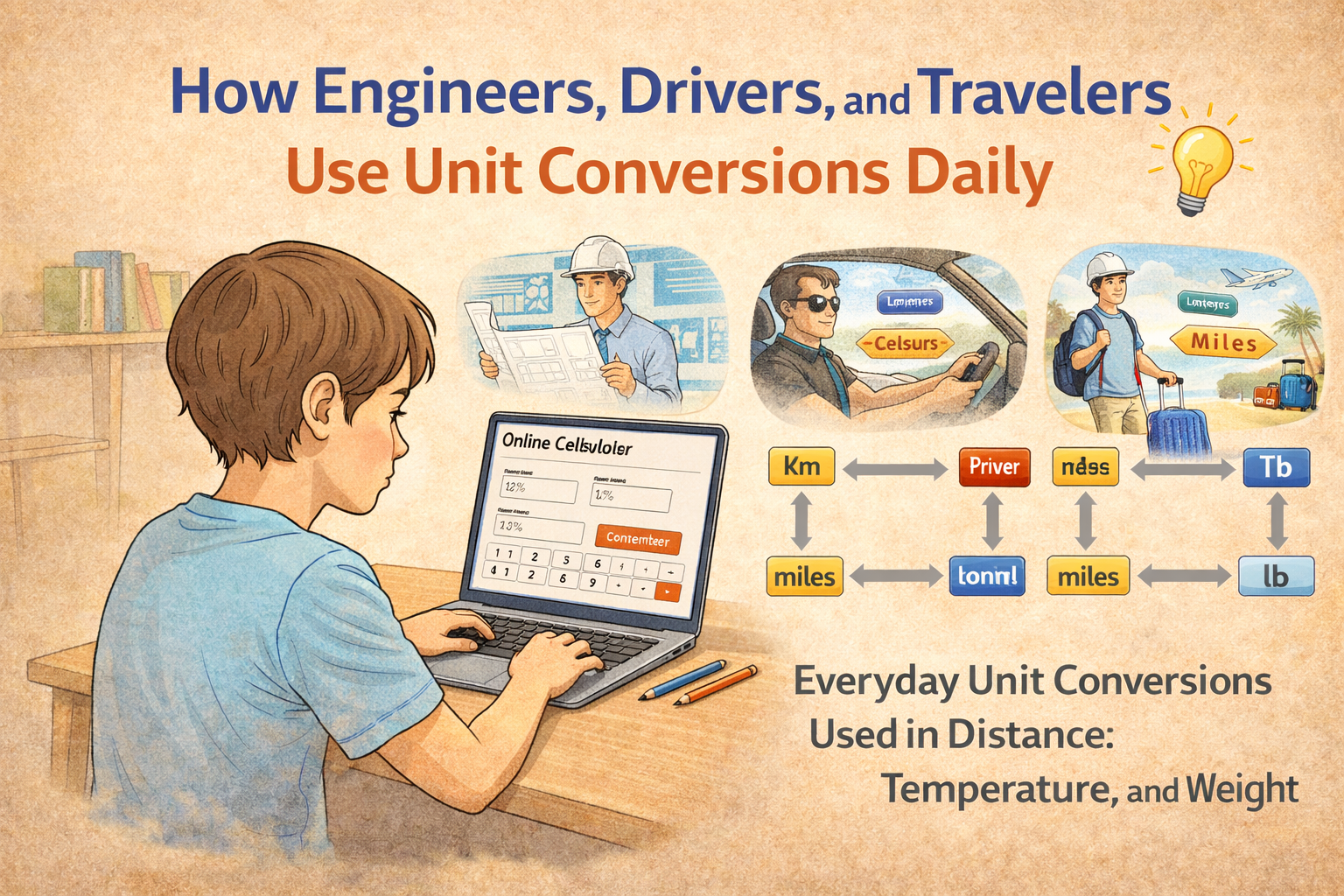
- Physics – formulas, motion, unit conversions
- Chemistry – concentrations, moles, reactions
- Economics – percentages, growth, interest
- Statistics – averages, probability, graphs
They allow students to spend more time understanding ideas instead of struggling with calculations.
Using Online Calculators for Homework and Assignments
Students should use online calculators responsibly during homework.
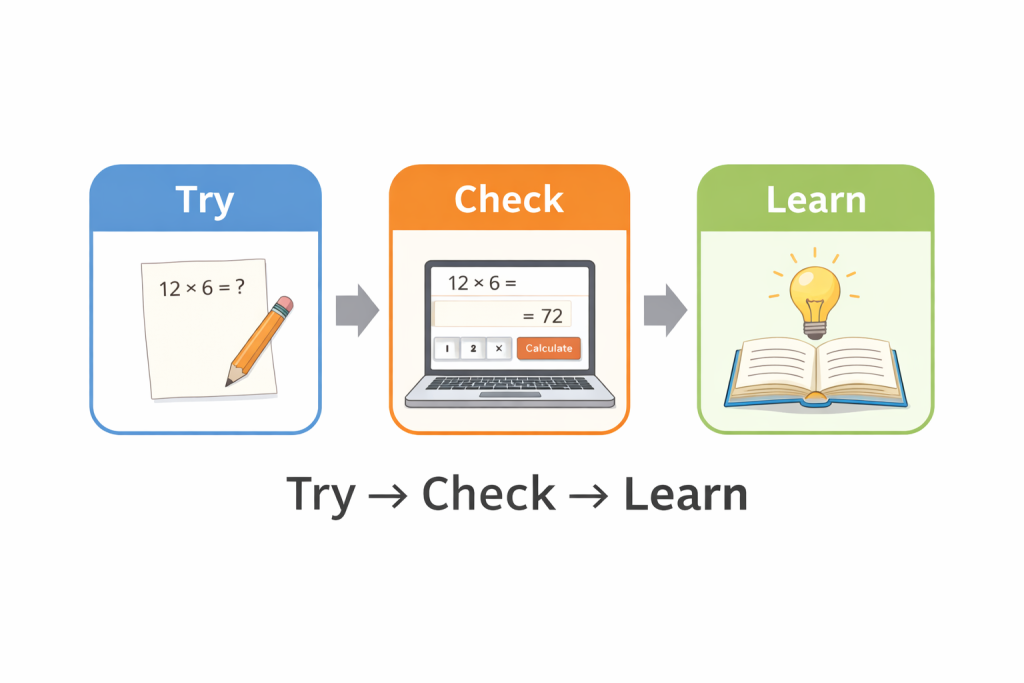
A good approach is:
- Read and understand the question
- Try solving it manually
- Use the calculator to check the answer
- Review mistakes and correct them
This method turns homework into an active learning process.
How Online Calculators Improve Understanding (Not Just Speed)
Many online calculators explain:
- Which formula is used
- How values are applied
- Why the answer is correct
This helps students:
- Identify weak areas
- Learn correct methods
- Build long-term understanding
Learning becomes clearer and more structured.
Step-by-Step: How Students Should Use Online Calculators
To learn faster, students should follow this process:
- Understand the problem first
- Attempt the solution manually
- Use the calculator to verify
- Compare answers
- Learn from any mistakes
Common Mistakes Students Make When Using Calculators
Students should avoid:
- Copying answers without understanding
- Using calculators for very basic skills too early
- Becoming dependent on calculators
- Ignoring school or exam rules
Correct usage is key to real learning.
Are Online Calculators Allowed in School and Exams?
Rules vary depending on the school and subject.
- Often allowed for homework and practice
- Sometimes allowed in exams with restrictions
- Often restricted in early learning stages
Students should always follow their school’s guidelines.
How Parents and Teachers Can Encourage Smart Calculator Use
Parents and teachers can help by:
- Encouraging calculators for checking work
- Using them to explain difficult concepts
- Limiting use during basic skill development
- Focusing on understanding, not just answers
Balanced guidance ensures calculators remain helpful tools.
Choosing the Right Online Calculator for Learning
A good educational calculator should:
- Be simple and easy to use
- Provide explanations or steps
- Work well on mobile devices
- Avoid unnecessary distractions
Clean, education-focused calculator sites are best for students.
When Students Should Avoid Using Online Calculators
Students should avoid calculators when:
- Learning basic arithmetic
- Practicing mental math
- Preparing for non-calculator exams
Foundational skills are still important.
Frequently Asked Questions
Do online calculators make students lazy?
No. When used properly, they support learning and understanding.
Are calculators good for learning math?
Yes, especially for checking answers and learning complex topics.
Can calculators be used in exams?
It depends on exam rules and subject requirements.
Conclusion
Understanding how students can use online calculators to learn faster helps students study more efficiently without sacrificing understanding. When calculators are used as learning aids—not shortcuts—they save time, reduce errors, and improve comprehension.
By combining manual practice with calculator support, students can build confidence, reduce frustration, and achieve better academic results. Used responsibly, online calculators are powerful tools for faster and smarter learning.