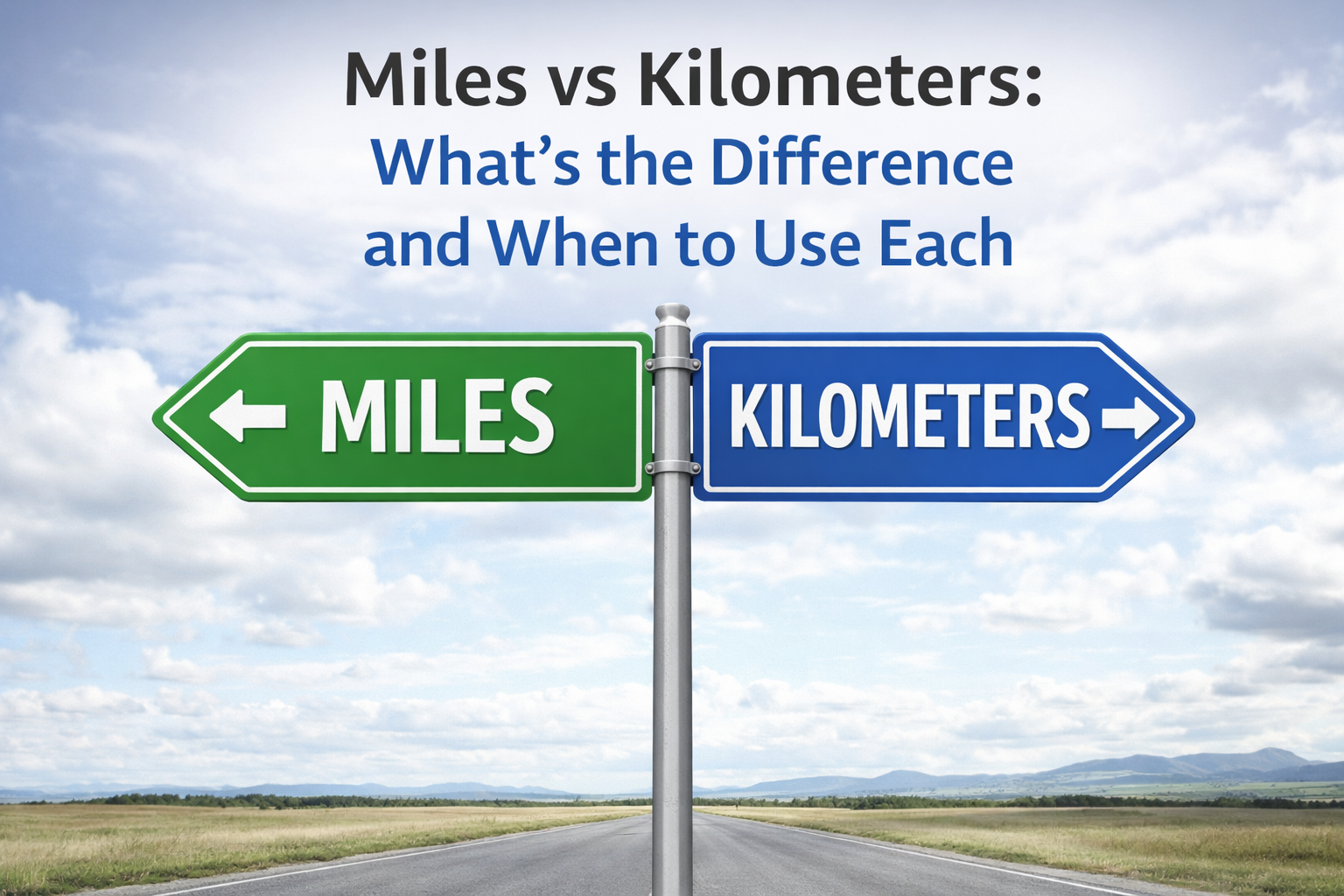
Miles vs kilometers: what’s the difference and when to use each is a common question for drivers, travelers, runners, and anyone reading distances online. Since different countries use different measurement systems, understanding how these two units compare helps you avoid confusion and better interpret distances in real life.
In this guide, you’ll learn what miles and kilometers are, how they differ, and when it makes sense to use each one.
What Is a Mile?
A mile (mi) is a unit of distance used in the imperial measurement system.
- 1 mile equals 1.609 kilometers
- Miles are mainly used in:
- The United States
- The United Kingdom (for road distances)
- You’ll commonly see miles on:
- Road signs
- Speed limits (mph)
- Driving directions
Because a mile is longer than a kilometer, distances measured in miles often look smaller numerically but cover more ground.
What Is a Kilometer?
A kilometer (km) is a unit of distance in the metric system, which is used by most countries worldwide.
- 1 kilometer equals 0.621 miles
- Kilometers are commonly used for:
- Road distances
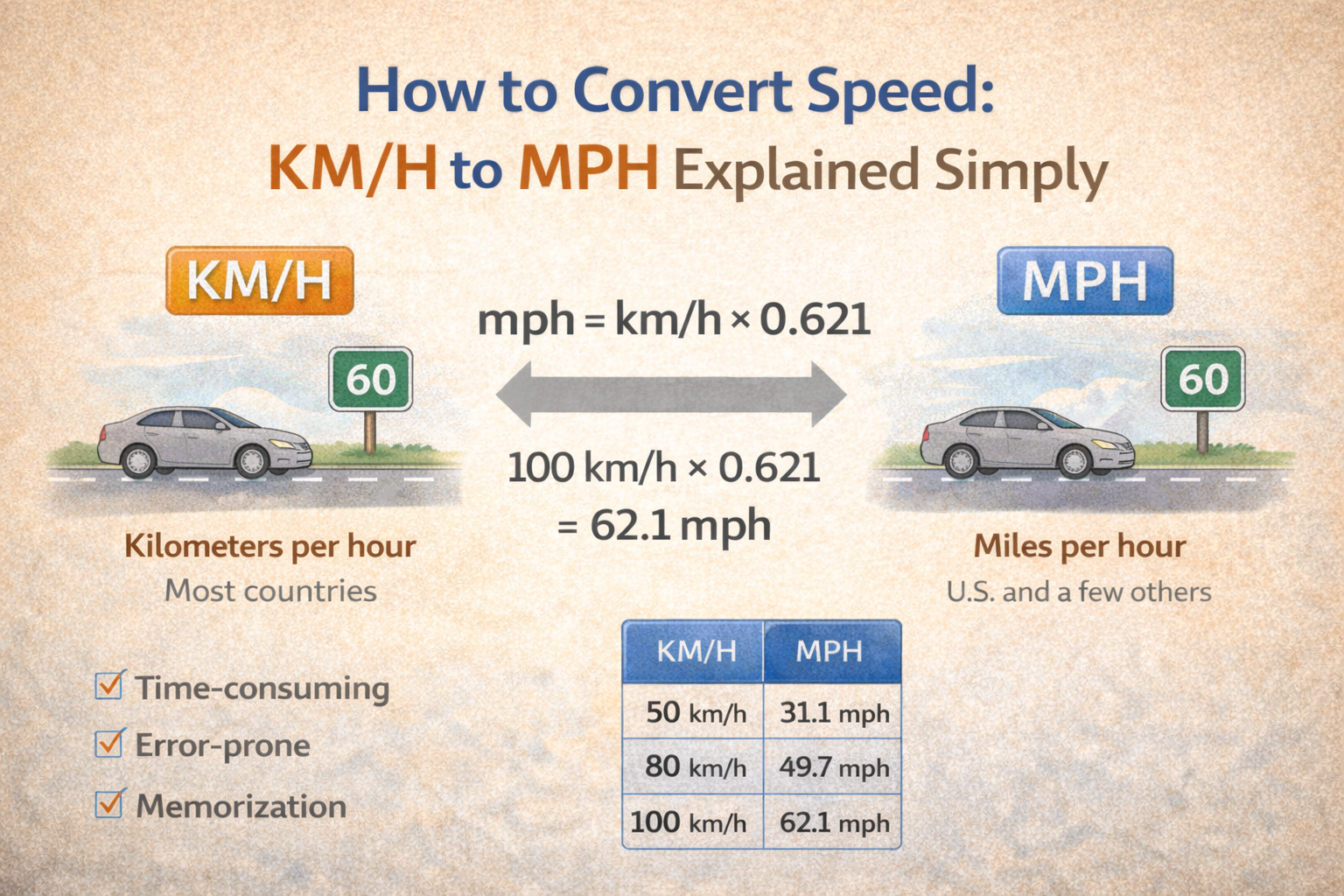
- Speed limits (km/h)
- Running and cycling races
- Maps and navigation apps
The metric system is based on multiples of 10, which makes kilometers easier to calculate and convert.
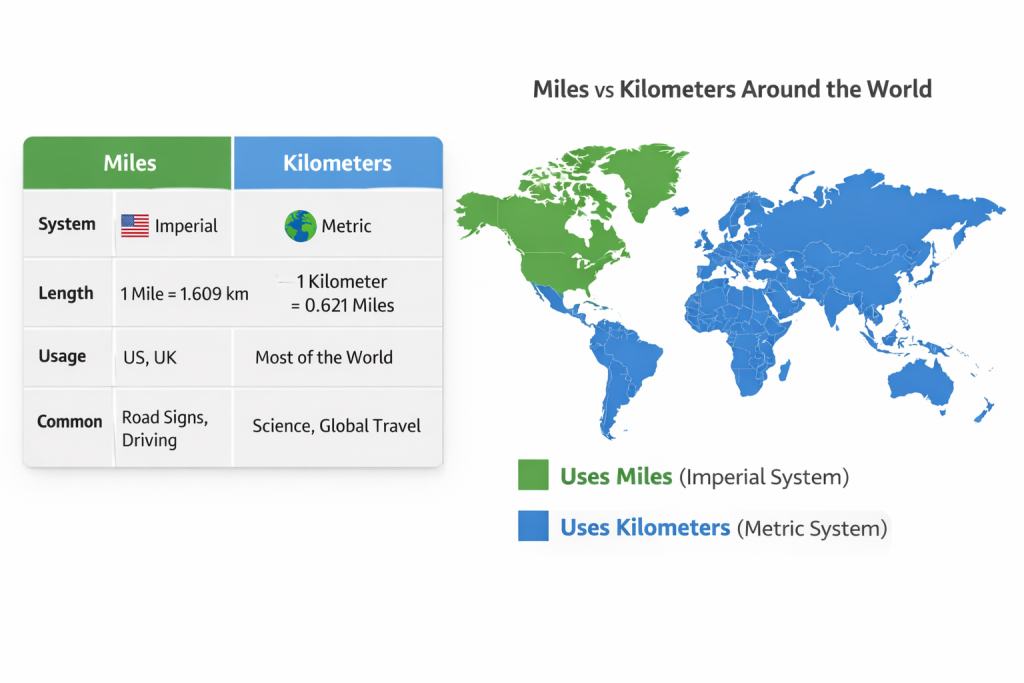
Miles vs Kilometers: Measurement System Comparison
Miles and kilometers belong to different measurement systems, which explains why both are still in use today.
| Feature | Miles | Kilometers |
|---|---|---|
| Measurement System | Imperial | Metric |
| Length | Longer | Shorter |
| Global Usage | Limited | Worldwide |
| Common Context | Roads, driving | Travel, science |
Which Is Longer: Miles or Kilometers?
A mile is longer than a kilometer.
- 1 mile = 1.609 kilometers
- 1 kilometer = 0.621 miles
This means:
- 10 miles is farther than 10 kilometers
- Distances in miles appear smaller in number but represent a longer distance
Conversion Relationship Between Miles and Kilometers
Knowing the conversion makes it easy to switch between the two.
- Miles to kilometers: multiply by 1.609
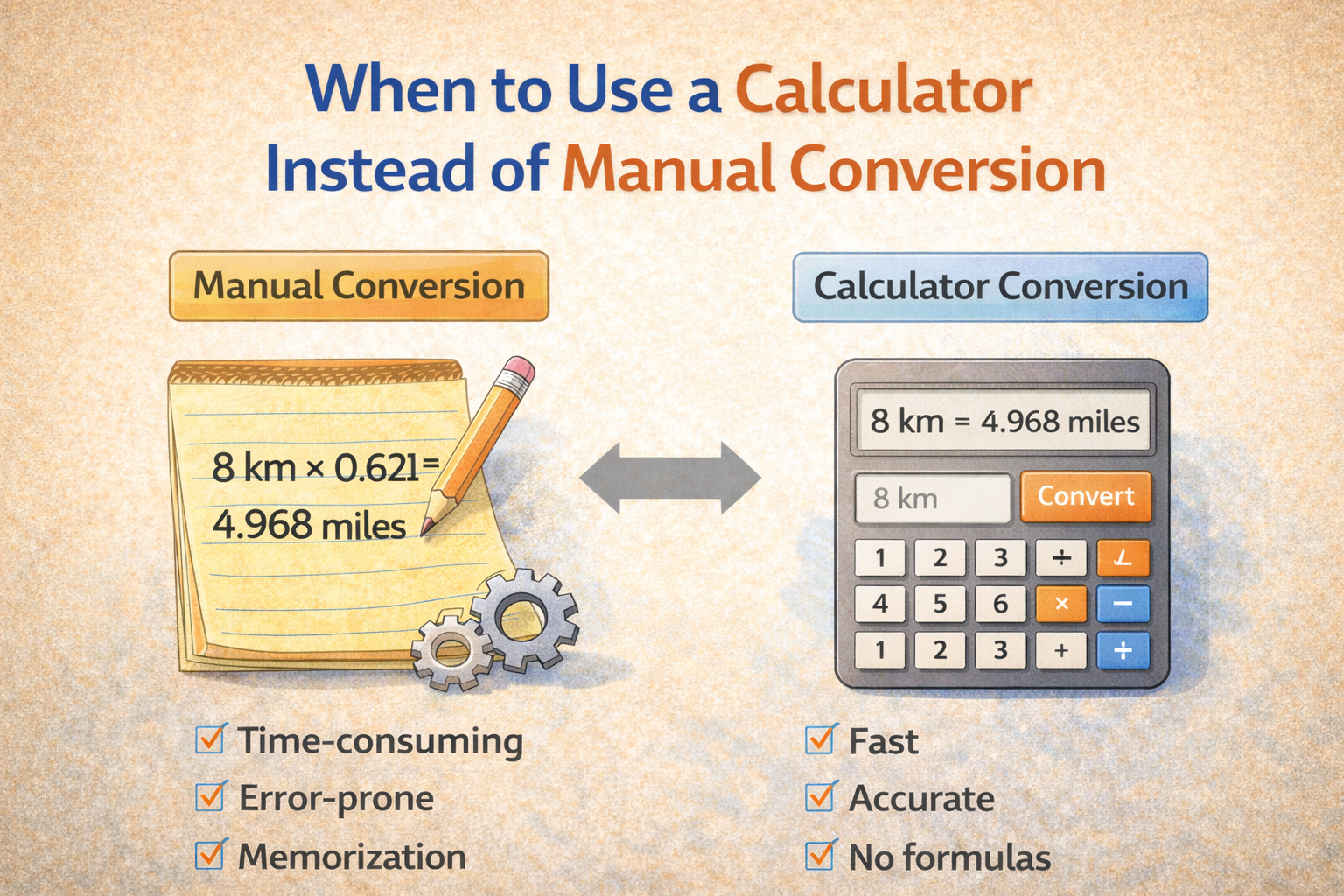
- Kilometers to miles: multiply by 0.621
Examples:
- 20 miles × 1.609 = 32.18 km
- 50 km × 0.621 = 31.07 miles
Countries That Use Miles vs Kilometers
Most of the world uses kilometers, but a few countries still rely on miles.
Countries that use miles:
- United States
- United Kingdom (road distances)
Countries that use kilometers:
- Europe
- Africa
- Asia
- Australia
- Canada
Understanding this is especially helpful when traveling or using international maps.
Miles vs Kilometers in Driving and Road Signs
Driving is where the difference matters most.
- In the US and UK, road signs show distances in miles
- In most other countries, signs show kilometers
- Speed limits are displayed as:
- mph (miles per hour)
- km/h (kilometers per hour)
Miles vs Kilometers in Running, Fitness, and Sports
Both units are widely used in fitness.
- A 5K race = 5 kilometers = 3.1 miles
- A marathon:
- 42.195 kilometers
- 26.2 miles
Outside the US, races are usually measured in kilometers, while many US training plans use miles.
Miles vs Kilometers in Travel and Navigation
Travel distances may be shown in either unit depending on location.
- International flight distances often use kilometers
- GPS apps adjust units based on country settings
- Travel planning becomes easier when you understand both units
Ease of Use: Which Is More Practical?
- Kilometers are easier to calculate due to the metric system
- Miles feel more intuitive if you grew up using them
Neither unit is better—practicality depends on familiarity and location.
When Should You Use Miles?
Use miles when:
- Driving in the United States or United Kingdom
- Reading road signs labeled in miles
- Following US-based fitness or travel information
When Should You Use Kilometers?
Use kilometers when:
- Traveling internationally
- Running or cycling races
- Reading scientific or educational content
- Using metric-based navigation systems
Miles vs Kilometers: Quick Comparison Table
| Situation | Use Miles | Use Kilometers |
|---|---|---|
| US driving | ✅ | ❌ |
| International travel | ❌ | ✅ |
| Running races | ❌ | ✅ |
| Science & education | ❌ | ✅ |
| UK road signs | ✅ | ❌ |
Frequently Asked Questions (FAQ)
Is a mile longer than a kilometer?
Yes. One mile is about 1.6 kilometers.
Why do some countries still use miles?
Because of historical use of the imperial system.
Are miles and kilometers equally accurate?
Yes. Both accurately measure distance.
Should I learn to use both?
Yes. Knowing both helps with travel, fitness, and navigation.
Conclusion
Understanding Miles vs Kilometers: What’s the Difference and When to Use Each makes it easier to interpret distances in daily life. While kilometers are used worldwide and are easier to calculate, miles remain important in specific countries and driving contexts.
By knowing how they compare and when to use each one, you can travel confidently, follow fitness plans accurately, and understand distances wherever you are.